ONGWEDIVA - Omahangano okuyandja omakwafo molwoukwao wananghali otaa ka pa ovo va li va dengwa kefundja mOhangwena oikulya nouvoutya vokulanda oikulya.



ONGWEDIVA - Omahangano okuyandja omakwafo molwoukwao wananghali otaa ka pa ovo va li va dengwa kefundja mOhangwena oikulya nouvoutya vokulanda oikulya.
The aggregated national cereal production (maize, millet, sorghum and wheat) is estimated at 175 900 metric tonnes (MT), which is a slight increase of 5% above last season’s harvest of 168 200 MT, and 39% higher than the average production of 126 700MT.
Before fruits, vegetables and other produce reach grocery store shelves, several sets of hands have touched the food that ends up on our kitchen tables. Essential to food production but invisible to consumers, farmworkers are primary contributors to the safe, efficient and reliable delivery of our fruits and vegetables.

In June 2020, four farmers came together to devise strategies on how they could cushion the challenges facing start-up communal farmers and allow agribusinesses in communal areas to thrive.

The Development Bank of Namibia has announced its participation in the Bank of Namibia SME Economic Recovery Loan scheme. Participation brings the number of schemes on offer by DBN to two. The other scheme offered by the Bank is the KfW Bankengruppe (KfW) scheme.
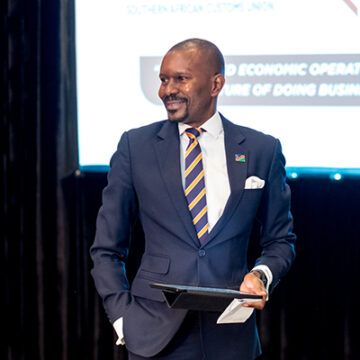
Namibia Revenue Agency commissioner Sam Shivute has warned companies and individuals involved in deliberately avoiding their true tax liabilities to expect a visit from his officials soon.

Road Fund Administration (RFA) CEO Ali Ipinge said the share of the fuel price RFA receives remains insufficient compared to other countries in the SADC region. He added that about 55%, which is N$1.3 billion out of N$2.42 billion of RFA revenue comes from the fuel levy income, which stands around N$1.48/litre.

A vast number of people annually are affected by natural disasters. Children are at risk of losing their lives and suffering mentally or physically after such events. There is growing evidence of the ability of children to act as protagonists in action to reduce climate and disaster risks in their communities.

In recent years, media merging (consolidation) has become a frequent occurrence, with large corporations acquiring smaller media outlets, or merging with other large corporations,
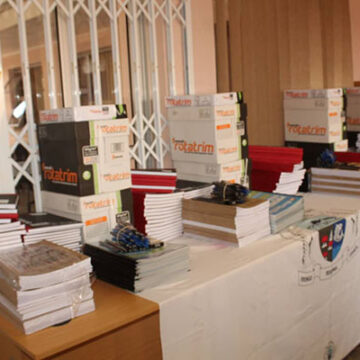
Schools countrywide have resorted to requesting parents to purchase stationery for their children due to low budgetary allocation, which makes it difficult to cover all learning and teaching needs. Many parents, however, find it difficult to secure these materials for their children because of the prevailing economic hardships.